



mis à jour le Lundi 9 février 2026 à 19h39
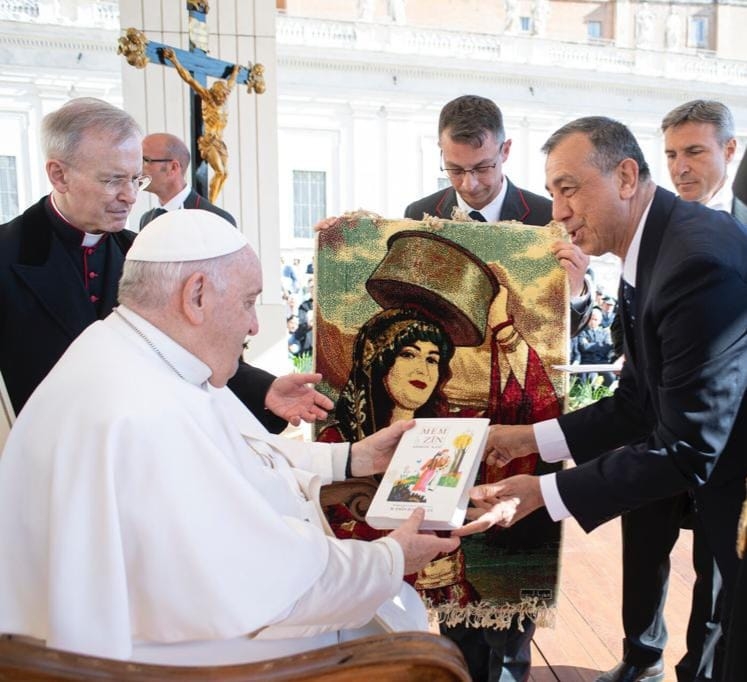
Mêm û Zîn offered to the Pope Francis
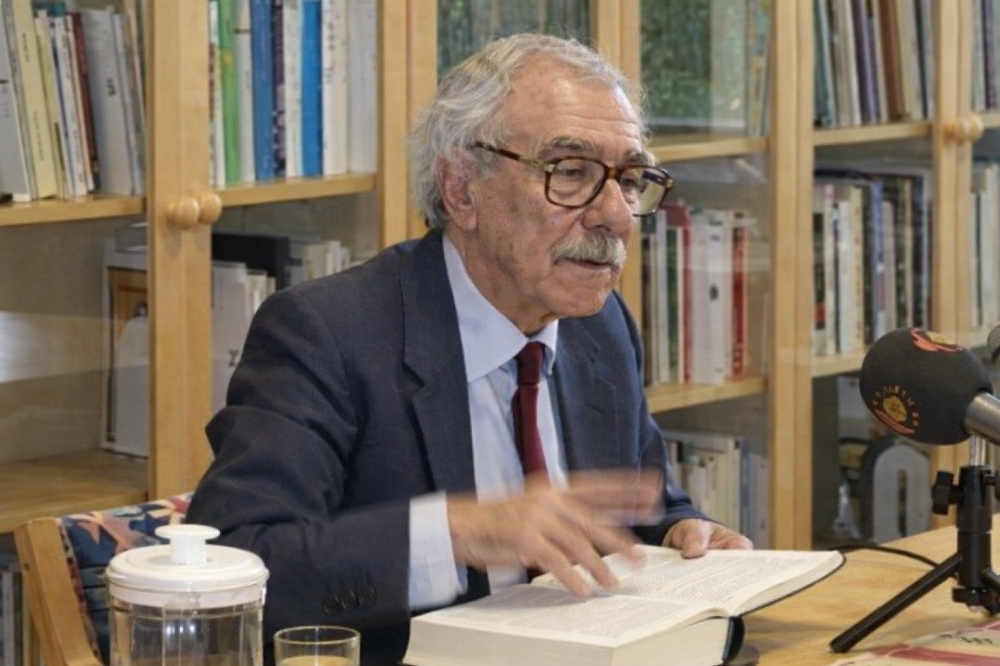
It is with deep sadness that we announce the passing of Mr. Emin Bozarslan, a major figure of Kurdish intellectual life, who passed away on January 22 in Uppsala, Sweden, at the age of 91.
His funeral took place on Monday, February 9, in Uppsala, in strict family privacy.
The family will receive condolences from the Kurdish community of Sweden on February 11, 2026, from 1:00 p.m. to 4:00 p.m., at Stabby Backe 1, Uppsala.
A tribute will be paid to him at a later date in Paris, at the Kurdish Institute, and in Stockholm.
Born in 1935 in Lice, in the province of Diyarbakir (Amed), Mehmed Emin Bozarslan pursued his studies in one of the medressas of Kurdistan’s millennia-old educational system, namely the Meylani medressa in Hezro. Appointed mufti in the town of Kulp (Pasûr) in the province of Diyarbakir (Amed), he was first transferred to Anatolia and then dismissed from his duties following the publication of his two books.
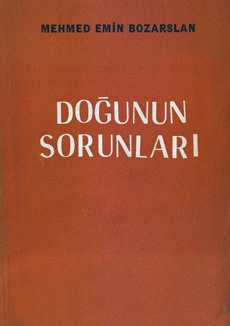
These two progressive works were Doğu’nun Sorunları (The Problems of the East [Turkish Kurdistan]) and İslamiyet Açısından Şeyhlik – Ağalık (The System of Sheikhs and Aghas from the Perspective of Islam). He then settled in Diyarbakir, where he ran a bookstore frequented by Kurdish intellectuals and young people. Following the military coup of March 1971, he was arrested and imprisoned in the notorious Diyarbakir prison until the amnesty of July 1974. Upon his release, he joined the major Turkish daily Cumhuriyet (Republic), where, thanks to his command of Arabic, he covered the “Near and Middle East” section.
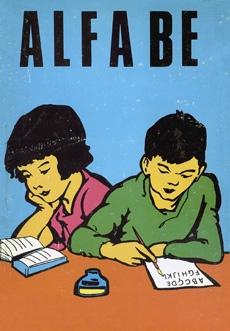
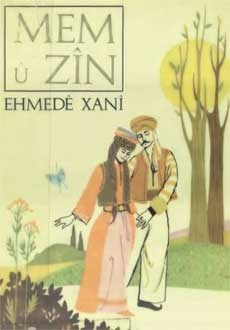
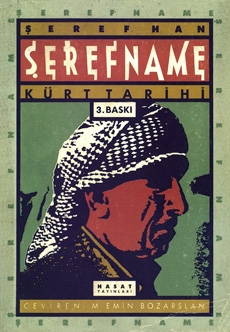
A pioneer, together with Musa Anter, of the Kurdish cultural revival in Turkey in the 1960s and 1970s, he notably published a Kurdish primer (Alfabê), translated from Kurdish into Turkish Mem û Zîn, the masterpiece of the father of Kurdish nationalism, Ehmedê Xanî (1650), and translated into Turkish the Şerefname (Chéreff Nameh, or The Glories of the Kurdish Nation) by the Kurdish prince Chereff Khan of Bitlis, a history of the Kurds and Kurdistan completed in 1596, whose two manuscripts are preserved at the Bodleian Library in Oxford and the National Library of Saint Petersburg.
He also produced the Turkish translation of a History of the Marwanid Kurds (Mervani Kürtleri Tarihi), the first Kurdish state of the Islamic era, whose capital was Mayafarqin, which ruled over a vast territory for more than a century until the Turkish invasions of the late 11th century. This work, written by a 13th-century Kurdish historian, Ibn al-Azraq al-Fariqî, whose original manuscript is preserved at the British Library in London, had until then been inaccessible to Kurdish readers.
These publications led to renewed legal proceedings and threats against him.
He was forced into exile in Sweden as early as 1978. His friends who remained in Turkey were all persecuted and tortured in Turkish prisons for many years.
During his Swedish exile, after becoming a member of the Swedish Writers’ Union, he devoted all his time to Kurdish studies. He notably published the transcription into the Kurdish Latin alphabet of Kurdish journals from the Ottoman period (Kurdistan and Jîn), a Kurdish dictionary (Ferhenga Kurdî), and children’s books, some of which were translated into Swedish.
A gracious and erudite man of great modesty, shunning honors and fame, Mr. Emin Bozarslan devoted his life to passing on Kurdish culture to new generations. His passing is a great loss for the Kurdish people and for Kurdish cultural and intellectual life.
We extend our heartfelt condolences to our colleague Hamit Bozarslan, his son, his family, and all those close to him.